Your Experts in Swift App Development
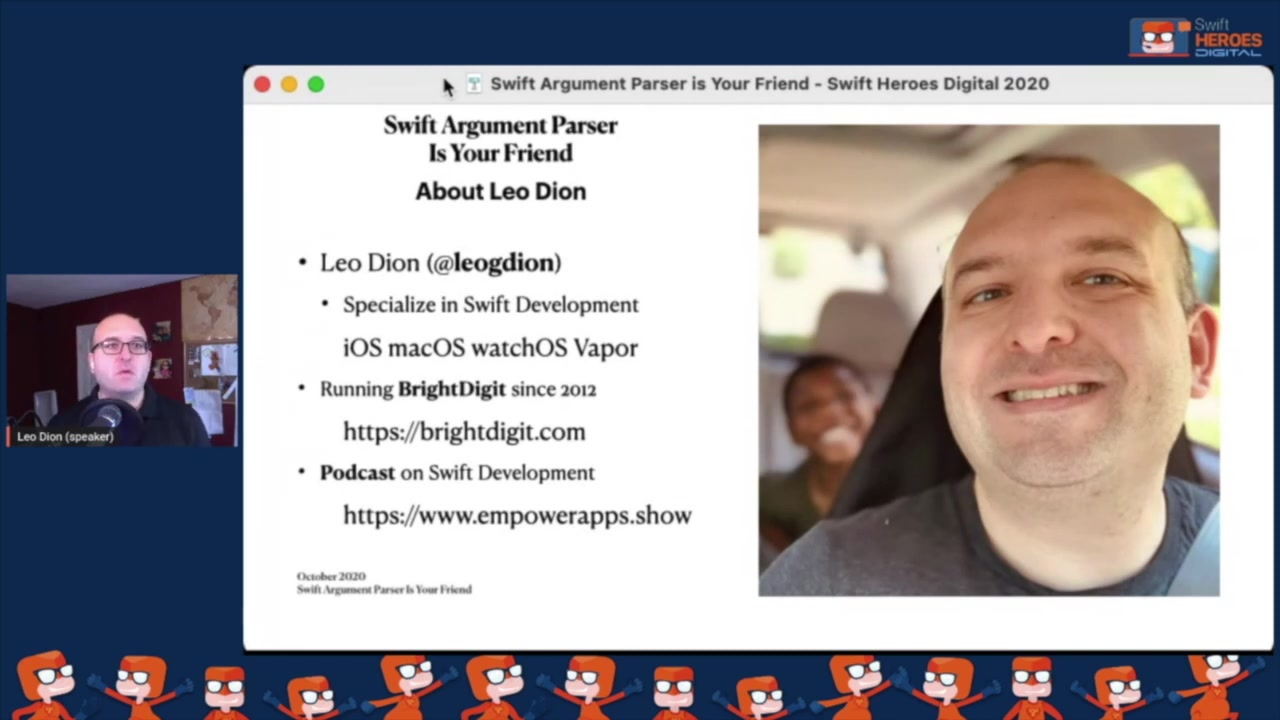
Experts in Swift
-
Is your app still at the idea stage?
We provide consulting services to make sure you can deliver the best user experience from the ground up.
-
Have you started development and need specialist support?
We specialize in Swift development for apps, large and small. If you've run into development trouble, we can help get back on track
-
Do you have an existing app but want to go bigger, better or port to an Apple platform?
We believe that platform-native development is almost always best. If you have an app for Android we can help you make a twin app that works seamlessly on iOS.
Testimonials
-
Leo was an asset to our small team, he made a big impact, and was very professional. Our ask was for something outside the realm of typical Swift development - serverless functions with AWS Lambda. Leo was able to gain traction and deliver a vital part of our project.
- Derek DeJonghe , Vice President Of Engineering at RightBrain Networks -
I'm glad I came across someone as talented and experienced as Leo. Leo has consulted and led my company's Mac App development efforts, building something our customers have been requesting for a long time. I have particularly been impressed by Leo's communication — he keeps a regular flow of updates coming, and anytime I have had a deep, wandering technical question, Leo has provided a clear and direct answer.
- Dave Mulder , Product ManagerProduct Manager at Conferences i/o -
We contracted Leo to help build our iOS app. The deadline was tight and he developed the features with impressive speed. He has thorough knowledge of all aspects of building a native app, from UI/UX design to API development and consumption. The thing that impressed me the most about Leo was his flexibility and understanding of the complexities of a large project.
- Tom Grube , Senior Software Engineer at Asset Health -
We placed Leo on a client managed project, and the client had nothing but praise for Leo. Reporting back to us that it was a very productive engagement and that Leo exceeded their expectation. Leo hit the ground running, and helped them bring their project out on time.
- Dave Koziol President , Owner at Arbormoon Software, Inc -
Working with BrightDigit was a breeze. Our project had a tight timeline and required collaboration with another vendor and internal staff. Leo is proactive, responsive and friendly. The final deliverable was exactly what I wanted. If you are looking for a vendor with a nice blend of technical, social and project management skills, I highly recommend Leo at BrightDigit.
- Jody Burgess , President and CEO of Phenometrics Inc. -
Working with Leo from BrightDigit was great for our mobile solutions. He was a pleasure to work with and always provided clear and accurate communication about our project and project schedule. We would be very happy to work with him again on future projects.
- Randolph Flick II , Digital Media Producer at Cheeney Media Concepts -
I am very glad we contracted Leo to help us build our iOS app. Leo was able to hit the ground running and integrate very quickly with our scrum team. Leo’s technical expertise in developing iOS apps and his wonderful collaboration with our development team helped us build the iOS app features in time for the launch. I was particularly impressed by Leo's commitment towards completing features planned for sprint on time with great quality and his clear & concise communication on progress.
- Harini Ramanan, PMP,CSMH , IT Business Relationship Manager at Asset Health -
Leo Dion is on the cutting edge of iOS development. He has built Apple Watch, iPad, and iPhone applications. Leo is an experienced presenter and business owner. He runs the Mobile Monday Lansing group. If you are looking for cutting edge iOS development Leo can help.
- David Smith , Angel Investor and Options Derivative Trader -
We needed help porting our application over from Android to iOS and had multiple issues with other providers. When BrightDigit came in they not only helped us port the application over quickly but offered great suggestions to our Android app. BrightDigit really worked well with our team and went above and beyond what we expected. In the future BrightDigit will be our First Choice for iOS development.
- Ed Cheeney , Futurist / CEO - Cheeney Media Concepts2
Latest
-

Should You SwiftData?
If you need local storage, SwiftData has its advantages and disadvantages.
-

Then 20 Years Later with Georg Tuparev
<a href="https://www.tuparev.com/">Georg Tuparev</a> stops by to chat about software that outlives its plans: projects scoped for a few months that are still in development 20 years later. We get into running a small team of physicists and astronomers, why WebObjects and EOF are still in production, where AI helps and where it falls short, server-side Swift with SwiftNIO, and storing exabytes of telescope data from observatories no cable can keep up with.
-
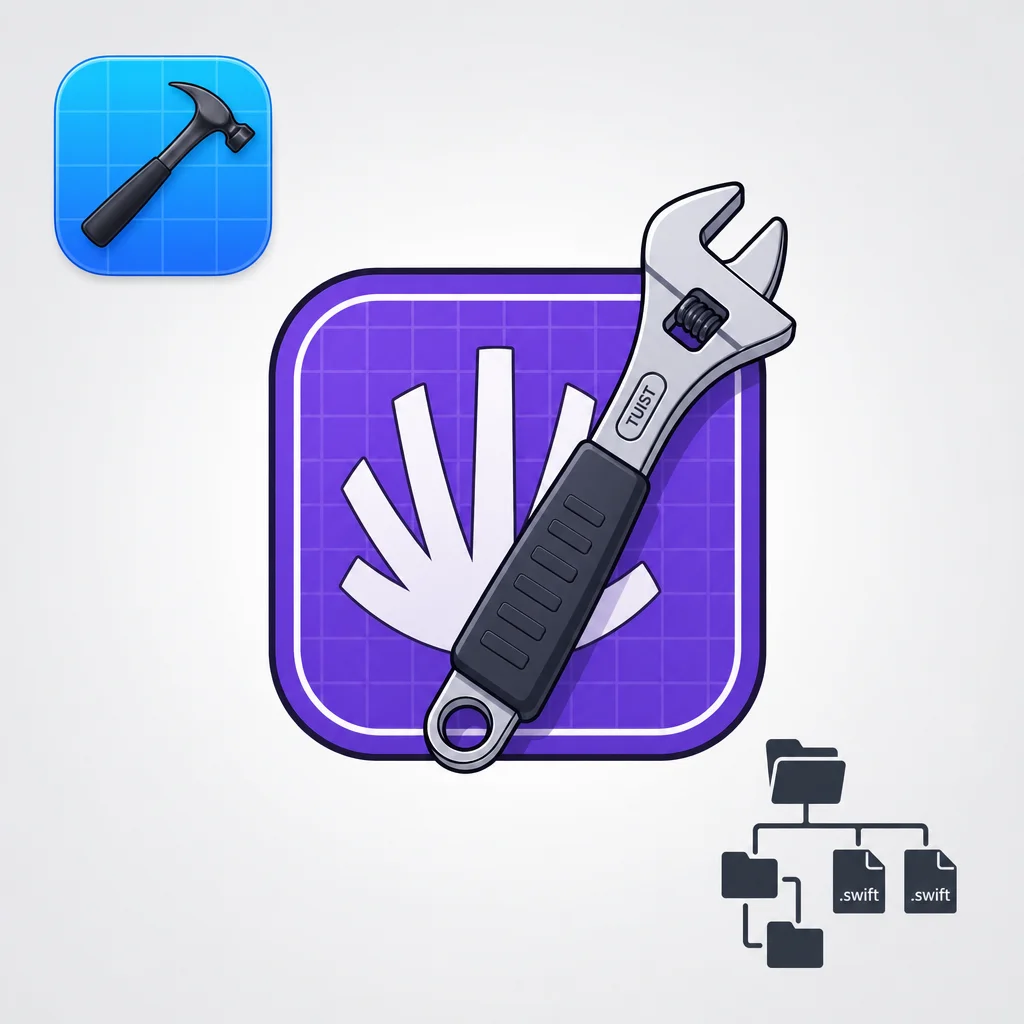
Automating your Xcode Project
- tuist
- xcode
- swift
- ci-cd
- tooling
Before any CI/CD automation can run, you need a project structure worth automating. This part covers Xcode project generation with Tuist, keeping all real code in Swift Packages, and the package topologies that work for apps of every size.
-
AtLeast 1.0: a timer you can feel
Gentle taps on your wrist, silence when you're done. What's in 1.0, what's in Pro, and one small favor for Nov 10.